
Blog
How to Choose the Right Activewear for Your Fitness Routine

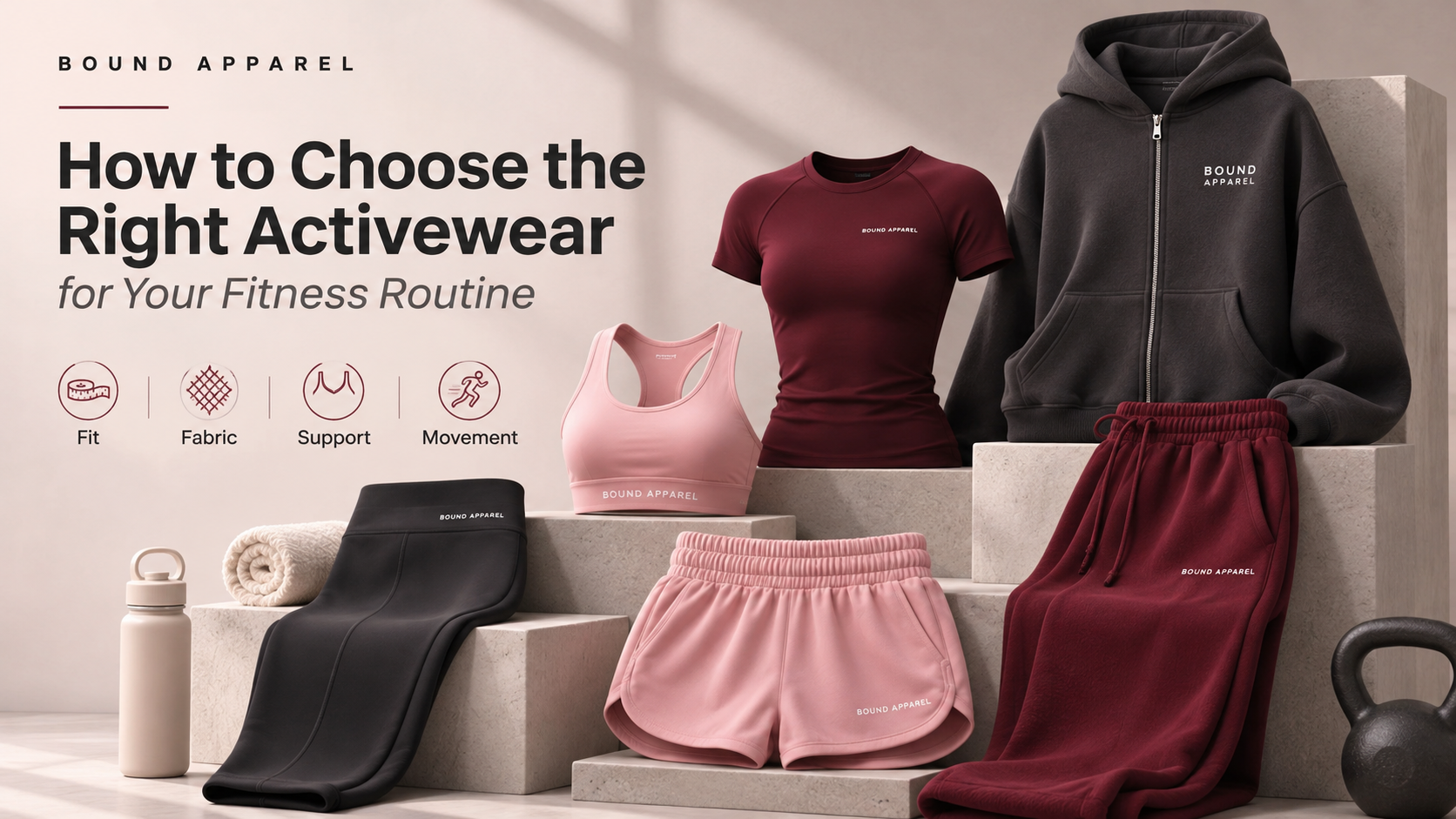
Buying activewear involves more than selecting clothing based on appearance. The right workout clothing should suit your exercise routine, provide a comfortable fit and allow you to move without unnecessary restrictions. Whether you regularly visit the gym, enjoy running or prefer low-impact exercise, different activities can require different clothing features.
With so many leggings, shorts, tops and other workout essentials available, comparing products can become confusing. Fabric composition, waistband construction, sizing, coverage and garment design all influence how suitable a particular item will be for your needs.
Instead of choosing activewear based on trends alone, it helps to understand what makes each garment practical. This guide explains the main factors to consider before purchasing workout clothing and how to identify pieces that match your fitness requirements.
1. Identify Your Main Workout Activities
Start by considering the exercises you perform most frequently. Activewear designed for one type of activity may not provide the same experience during another.
For example, strength training involves bending, stretching and repeated lower-body movements. Running involves continuous movement, while yoga and Pilates often require flexibility across different positions.
Your activity should influence the type of clothing you purchase.
- Strength training: Look for leggings or shorts that remain comfortable during squats, lunges and other movements.
- Running: Consider clothing with a secure fit that does not require frequent adjustment.
- Yoga and Pilates: Choose garments that allow flexibility and comfortable movement through different positions.
- Walking and general fitness: Prioritise comfortable clothing suitable for the duration and intensity of your activity.
- Gym sessions: Consider a combination of bottoms and tops that accommodates your usual training routine.
Identifying your primary activities helps narrow down the available options and prevents unnecessary purchases.
2. Understand Activewear Fabric Composition
Fabric is one of the most important factors when comparing workout clothing. Different material combinations influence how a garment stretches, feels and maintains its shape.
Before purchasing, check the material composition listed in the product description rather than assuming all activewear fabrics perform similarly.
Some commonly used materials include:
Polyester
Polyester is widely used in sportswear because it is lightweight and generally maintains its shape well. It is commonly blended with other fibres to create workout garments.
Elastane and Spandex
These stretch fibres are frequently combined with other materials to provide flexibility. They can help clothing accommodate movements such as bending, stretching and squatting.
Nylon
Nylon is another common activewear material. It is often selected for its smooth texture, strength and flexibility, depending on the fabric construction.
Cotton Blends
Cotton provides a familiar, soft feel and appears in various casual and sportswear garments. However, cotton-heavy fabrics may not be the most suitable choice for every high-intensity workout.
The most appropriate fabric depends on the activity, garment construction and your personal preferences. Always review the individual product specifications before making a decision.
3. Check Sizing and Garment Measurements
Choosing the correct size is essential when buying activewear. A garment that is too tight can feel restrictive, while an excessively loose fit may become inconvenient during certain exercises.
Avoid relying entirely on standard size labels because measurements can vary between brands and clothing styles.
When reviewing a size guide, pay attention to:
- Waist measurement: Particularly important when selecting leggings, shorts and track pants.
- Hip measurement: Helps determine how bottoms fit around the hips and upper legs.
- Bust measurement: Useful when choosing fitted tops and sports bras.
- Garment length: Check inseam and overall length to understand how a piece may fit your proportions.
- Size recommendations: Compare your measurements with the brand’s published sizing information.
If you fall between two sizes, check whether the brand provides additional guidance about the garment’s intended fit.
Taking these measurements before ordering can reduce uncertainty and help you make a more informed purchase.
4. Evaluate Waistbands, Seams and Construction
Small construction details can make a noticeable difference to the overall experience of wearing activewear.
For leggings and shorts, examine the waistband design. A waistband that sits comfortably and remains in place can be useful during exercises involving repeated movement.
Seams are another detail worth checking. Look at their placement and construction, particularly around areas that experience regular movement.
Other features to consider include:
- Elasticated waistbands for a secure feel.
- Flat seams where available to minimise noticeable stitching.
- Gusset construction in leggings where applicable.
- Adjustable features in selected garments.
- Secure closures on items that include zips or fastenings.
Not every feature is necessary for every workout. Focus on the construction details that relate to your actual requirements.
5. Select the Right Bottoms for Your Training Needs
Activewear bottoms come in different lengths, fits and designs. Choosing between leggings, shorts, flares and track pants depends on the type of exercise you perform and the coverage you prefer.
Full-Length Leggings
Full-length leggings provide coverage from the waist to the ankles. They are a common choice for gym sessions, strength training and various fitness activities.
When comparing options, consider waistband comfort, fabric composition, stretch and the overall fit.
Shorts
Workout shorts offer a shorter alternative to full-length bottoms. They can be suitable for warmer conditions, indoor training and activities where you prefer less leg coverage.
Check the inseam length and waistband construction before purchasing.
Flared Leggings
Flared leggings have a fitted upper section with a wider lower-leg opening. They are often selected for their distinctive silhouette and can also be incorporated into casual wardrobes.
If you plan to use them for exercise, consider whether the leg opening is suitable for your preferred activities.
Track Pants
Track pants offer a more relaxed alternative to fitted workout bottoms. Their suitability depends on the design, fabric and intended use.
They can be a useful option for warm-ups, lighter exercise and general fitness routines.
6. Choose Workout Tops According to Coverage and Support
Your choice of top should complement the type of exercise you perform. Different designs offer different levels of coverage, support and freedom of movement.
Consider the following options:
- Tank tops: Suitable for people who prefer sleeveless workout clothing.
- Fitted tops: Offer a closer silhouette and can be paired with leggings or shorts.
- Long-sleeve tops: Provide additional coverage for cooler environments.
- Sports bras: Designed to provide different levels of support depending on their construction and intended activity.
- Zip-up tops: Offer an adjustable additional layer before or after training.
When selecting sports bras, pay particular attention to support requirements. Lower-impact activities may require different support levels from running or other high-impact exercises.
Check product descriptions for support classifications and sizing guidance where available.
7. Consider Durability and Garment Maintenance
Activewear is often washed regularly, particularly when worn during frequent exercise. For this reason, durability and care requirements should be part of your purchasing decision.
Before ordering, check the manufacturer’s washing instructions and any recommendations regarding drying or ironing.
A few useful considerations include:
- Review the material composition and garment construction.
- Follow the recommended washing temperature.
- Avoid using care methods that contradict the product instructions.
- Check whether the garment requires air drying.
- Inspect stitching and elastic components periodically.
Proper garment care can help maintain the appearance and condition of workout clothing over time.
8. Build Your Workout Clothing Collection Gradually
You do not need to purchase an extensive activewear collection immediately. Start with clothing that supports your regular activities and expand your options as your fitness routine develops.
A practical starting collection might include:
| Clothing item | Main purpose |
| Full-length leggings | General workouts and lower-body training |
| Workout shorts | Exercise in warmer conditions |
| Fitted or tank tops | Training and fitness sessions |
| Sports bra | Support during exercise |
| Lightweight layer | Warm-ups and changing temperatures |
| Track pants | Relaxed training and general fitness |
The exact selection will depend on your workout frequency, preferred activities and existing clothing.
Prioritising useful pieces also makes it easier to avoid buying multiple garments that serve the same purpose.
9. Explore Activewear Options at Bound Apparel
When comparing activewear collections, it is useful to look at brands that offer different clothing categories rather than focusing on a single type of garment.
Established in 2020, Bound Apparel began with a focus on leggings designed to bring fashion and comfort together beyond traditional workout settings.
Its clothing range includes leggings, flares, shorts, tops, hoodies, track pants and coordinated tracksuits. These categories provide different options for people exploring fitted activewear, casual workout clothing and relaxed everyday pieces.
When browsing the collection, compare individual product descriptions, available sizes and garment details to determine which styles meet your requirements. Your preferred fit and intended use should guide the final selection.
Make a More Informed Activewear Purchase
Choosing suitable workout clothing starts with understanding your fitness routine and the features that matter most to you. Fabric composition, sizing, construction, coverage and garment maintenance all contribute to a more informed purchasing decision.
Rather than buying every style that catches your attention, focus on pieces that serve a clear purpose in your training routine. By comparing product specifications and considering how each garment will be used, you can build an activewear collection that supports your fitness activities and everyday requirements.